In the 1960s, dust hung in the air, the sun beat down mercilessly on endless roads, and driving was still an act of daring and imagination. It was in that world that Peugeot truly expressed its soul—not with brute muscle, but with refinement, technology, and unbreakable reliability. And at the heart of that story stood an unexpected hero: the Peugeot 204.
When the Peugeot 204 was introduced in 1965, it exuded the spirit of its time. Sleek, modern, and progressive. Front-wheel drive, a lightweight aluminum engine, French elegance wrapped in clever technology. Not a car that screamed for attention, but one that exuded confidence. Precisely that made it suitable for the African rallies of those years: competitions that were more like expeditions than sports.
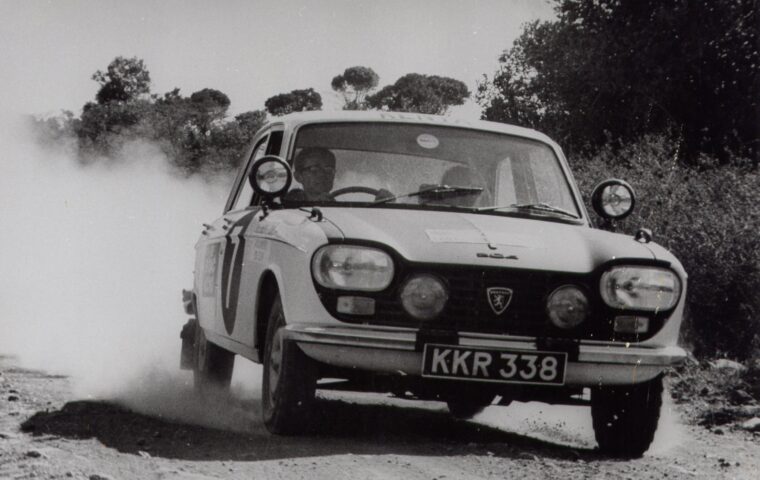
Rallies across Africa in the 1960s were raw and unforgiving. Thousands of kilometers through desert, savannah, and mountain passes. Roads that sometimes ceased to exist. Scorching heat by day, bitter cold by night. And there it was, the Peugeot 204, driving imperturbably, as if it knew perseverance was more important than winning.
With its modest power, the 204 symbolized not speed, but character. It danced over rough roads, swallowed dust and sand without complaint, and brought its crew closer to the finish line time and again. In an era when retirements were the rule rather than the exception, finishing became a victory in itself. And the 204 arrived.
These African adventures reinforced what Peugeot already felt in the 1960s: cars had to be more than machines. They had to inspire confidence, connect people, and be able to conquer the world. The 204 helped lay the foundation for a reputation that would later become iconic with the 404, 504, and ultimately the great rally raids.
The Peugeot 204 was no flashy, no macho man. It was a gentleman adventurer, a car that, with quiet determination, demonstrated what Peugeot stood for. And that is precisely why it belongs in the hearts of everyone who loves the brand, rallies and that unique, elusive magic of the sixties.